Hip Hop Dose Staff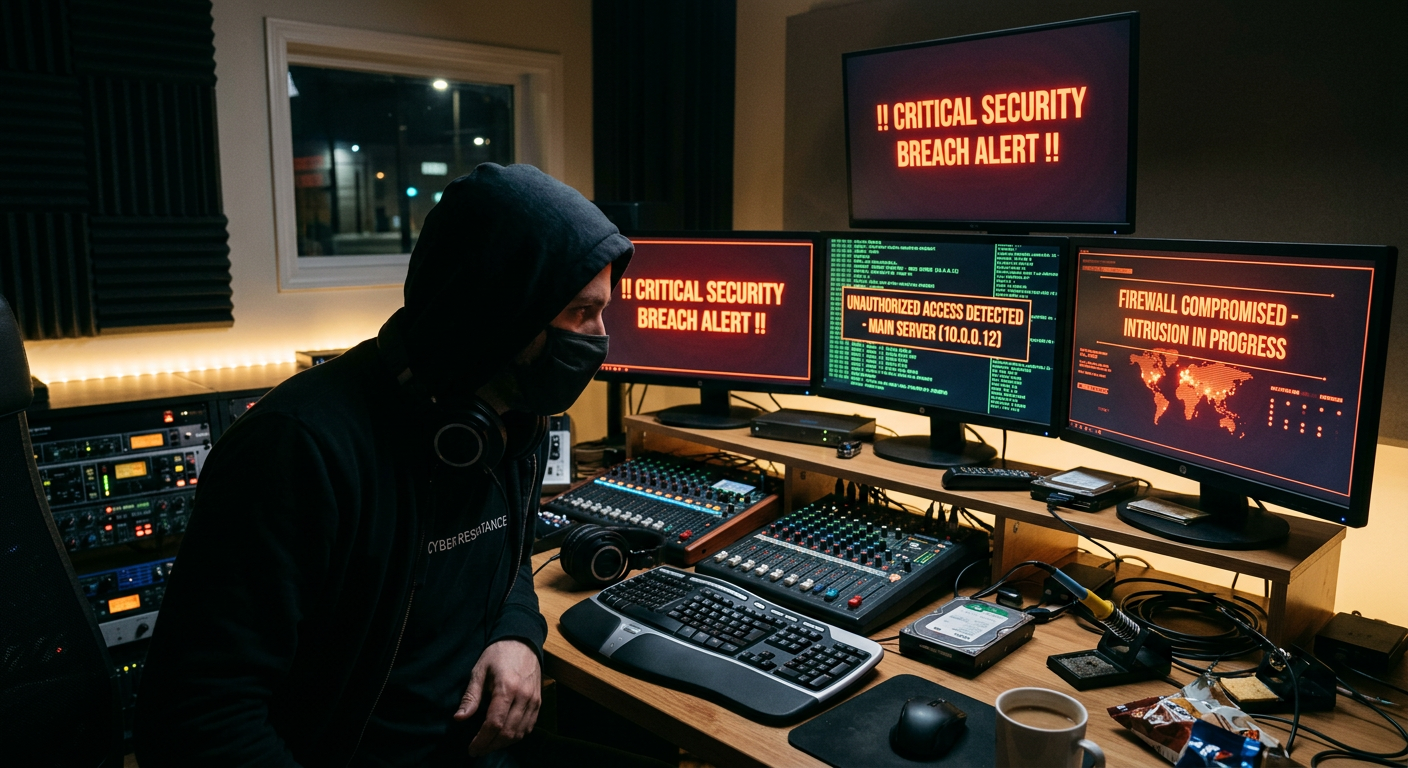
For many of us who are tuned in 24/7, the weekend of July 26–27, 2026, will go down in infamy as one of the wildest, most surreal 48 hours in modern music history. If you woke up and checked your feeds, you already know things got completely out of hand. In what is shaping up to be the most epic and disruptive digital breach the culture has ever seen, the official YouTube and Apple Music artist pages of heavyweights like Drake, Kendrick Lamar, Kanye West (Ye), Playboi Carti, Frank Ocean, Travis Scott, and countless others were hit in a massive, coordinated exploit.
We are talking about unreleased holy grails, legendary vault leaks, fake troll diss tracks, and rogue Discord promos suddenly appearing on verified, billion-stream artist profiles as if nothing was out of the ordinary. It was absolute chaos, and the entire industry has been left scrambling to pick up the pieces.
Make sure you check out our latest Hip Hop News & Updates to stay ahead of every major cultural earthquake as it unfolds!
Inside the Breach: How OffStepMusic Became Ground Zero
Let’s keep it real: at first glance, everybody thought individual account passwords had been compromised across the board. But as digital sleuths and industry insiders started digging into the metadata, a much crazier story emerged.
Instead of direct brute-force hacks on Google or Apple dashboards, reports point directly to a massive backend distributor vulnerability involving OffStepMusic (often referred to simply as Offstep). For those not deep in the distribution trenches, Offstep is a digital music aggregator that indie and major creators use to pipe their audio straight onto streaming giants like Spotify, Apple Music, and YouTube.

According to circulating technical breakdowns and insider leaks, bad actors exploited lax moderation and pipeline security within the distributor’s network. This allowed unauthorized uploads to bypass normal filters and hit elite artist profiles with zero friction. No passwords cracked: just pure system exploitation on a monumental scale.
The resulting digital collateral damage was nothing short of historic.
The Chaos on the Timelines: Drake, Kendrick, and Carti Hit Hardest
Nobody was safe, but certain fanbases experienced absolute sensory overload. Let’s break down some of the craziest highlights from the weekend:
- Drake: The OVO general’s official YouTube channel became an immediate battleground. In a move that sent social media into total meltdown, Drake’s page briefly streamed none other than Kendrick Lamar’s cultural anthem “Not Like Us,” alongside other leaked material and bizarre promotional text linking to external Discord and Instagram servers.
- Kendrick Lamar: K-Dot’s profile wasn’t spared either. Fans rushing to his page were greeted by legendary unreleased fan-favorite tracks like “Prayer” and “I’m Better,” accompanied by rogue server invites in the video descriptions.
- Playboi Carti: Opium heads feasted harder than ever, though under chaotic circumstances. Carti’s catalog was flooded with over 20 previously unreleased leaked tracks bundled into an unauthorized phantom album drop that had stans questioning reality.
- Kanye West & Others: Ye’s channel received bizarre unauthorized uploads including tracks labeled “HH” and “Mama’s Boyfriend,” while other pages: from Frank Ocean and Travis Scott to d4vd on Apple Music: all suffered similar rogue injections.
It was a cinematic, high-stakes collision between digital security failures and obsessive fan culture. For a moment, the vaults were wide open, and the underground got a front-row seat to the chaos.
Take a deep dive into more underground releases and independent audio culture over at our Music Releases Section.
The Culture Reacts: FOMO, Memes, and Industry Fallout
As labels and platform engineers rushed to scrub the rogue tracks and restore order, the internet did what it does best: turned an international security nightmare into an elite meme festival.
For underground stans and music nerds who spend hours hunting for low-bitrate leaks on Reddit and Telegram, seeing these tracks sitting comfortably on official billboard-charting profiles felt like a glitch in the matrix. The FOMO was real. If you weren’t online refreshing your feed every two minutes, you missed out on listening to holy-grail tracks playing directly through verified monetization pipelines.
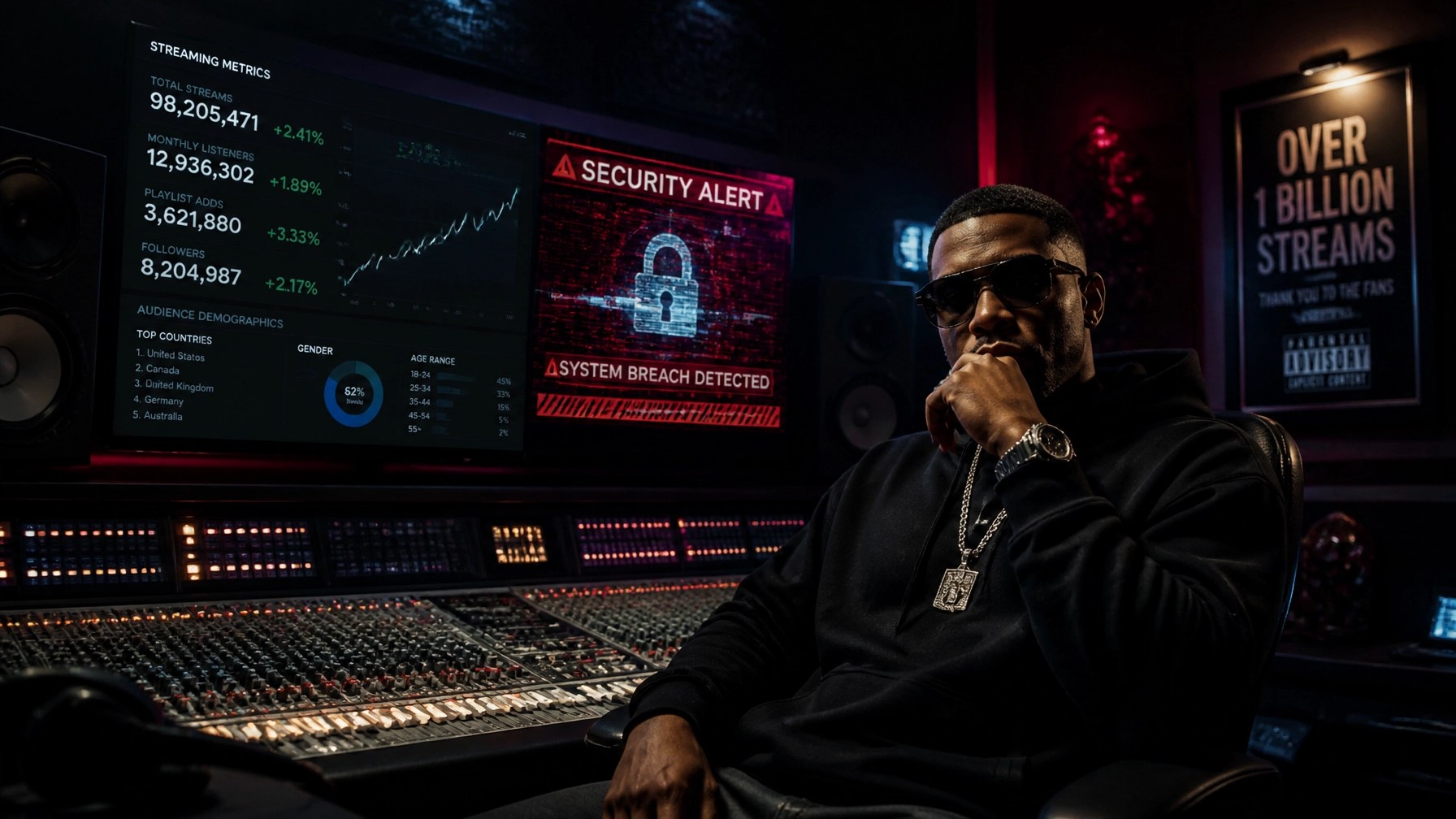
At the same time, this incident has exposed massive vulnerabilities in how modern digital music distribution works. When third-party aggregators can become a backdoor into the most valuable intellectual property in entertainment, major labels and DSPs are going to face fierce questions about pipeline security, automated moderation, and verification safeguards.
What Happens Next?
Platforms have steadily pulled down the unauthorized uploads, and streaming services are tightening their algorithmic gatekeeping as we speak. However, official statements from YouTube, Apple Music, and OffStepMusic have been measured as investigations unfold behind closed doors.
Whether this leads to a complete overhaul of independent digital distribution protocols or inspires tighter security measures across the board, one thing is certain: 2026 continues to be a wild, unpredictable year for hip hop and pop culture.
Be prepared for more fallout as the industry reacts, and make sure your notifications are locked in so you never miss a beat when real news drops.