SpratFool
The music industry is filled with people who arrive through connections, shortcuts, or sudden viral moments. Nick Tunes came up the opposite way. He built himself brick by brick. From selling beats online to sitting in studio sessions, from engineering records to guiding creative direction, Nick’s journey reflects what it actually looks like to grow inside the culture instead of just orbiting around it.
Starting in 2014, Nick entered the industry as a producer with no safety net, learning the business from the most raw level possible. Selling beats online taught him not just how to make music, but how to understand artists, market sound, and move within digital spaces. Instead of staying comfortable behind a screen, he pursued real world experience, interning at recording studios and embedding himself in creative environments where the work was happening in real time. This foundation gave him something many industry figures lack, true operational understanding of how records, sessions, and artist development actually function.

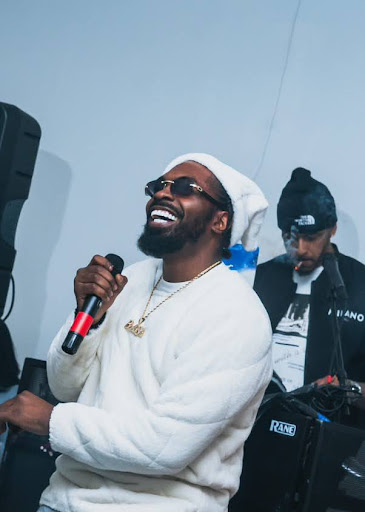
As Nick’s presence grew, so did his impact. He became a consistent creative force in studio and development settings, contributing to the growth of artists like Johnny Oz, Breezy Lyn, Big Wocky, Dianydior, 2KBaby, Shawny Binladen, and others. His contributions were not limited to one role. One day it was engineering. Another day it was creative guidance. Another day it was helping shape an artist’s workflow or sound. That versatility allowed him to become a trusted figure in creative spaces, someone artists could lean on for both technical execution and honest perspective.
By the time 2024 and 2025 arrived, Nick’s transition into management and creative direction felt less like a pivot and more like the natural next chapter. His work with Mason Dean and Amara Sky, the grandson and granddaughter of Whoopi Goldberg, placed him in a position of long term creative stewardship, helping guide vision during formative stages of their careers. At the same time, his collaboration with Phat Papi on visual direction and brand storytelling reflected his understanding that modern success is about more than music. It is about narrative, imagery, and building worlds around talent.
What makes Nick Tunes stand out is his ability to think like both a creative and an executive. He respects the art but understands the infrastructure required to sustain it. He sees artists as long term brands, not short term opportunities. His approach prioritizes development, trust, and alignment over hype, allowing talent to evolve in ways that feel authentic while still being strategically sound.
Today, Nick Tunes operates as an independent music executive and creative architect focused on building careers with intention. He is not chasing trends. He is studying cycles, understanding culture, and helping shape artists who can last beyond a single moment. In an industry that often burns bright and fast, Nick represents the slower, smarter build. The kind of growth that compounds over time and leaves a real imprint on the culture.
The next wave of influential music executives will not just be dealmakers. They will be builders of ecosystems. Nick Tunes is already operating in that lane, quietly constructing the framework for what the future of artist development looks like.